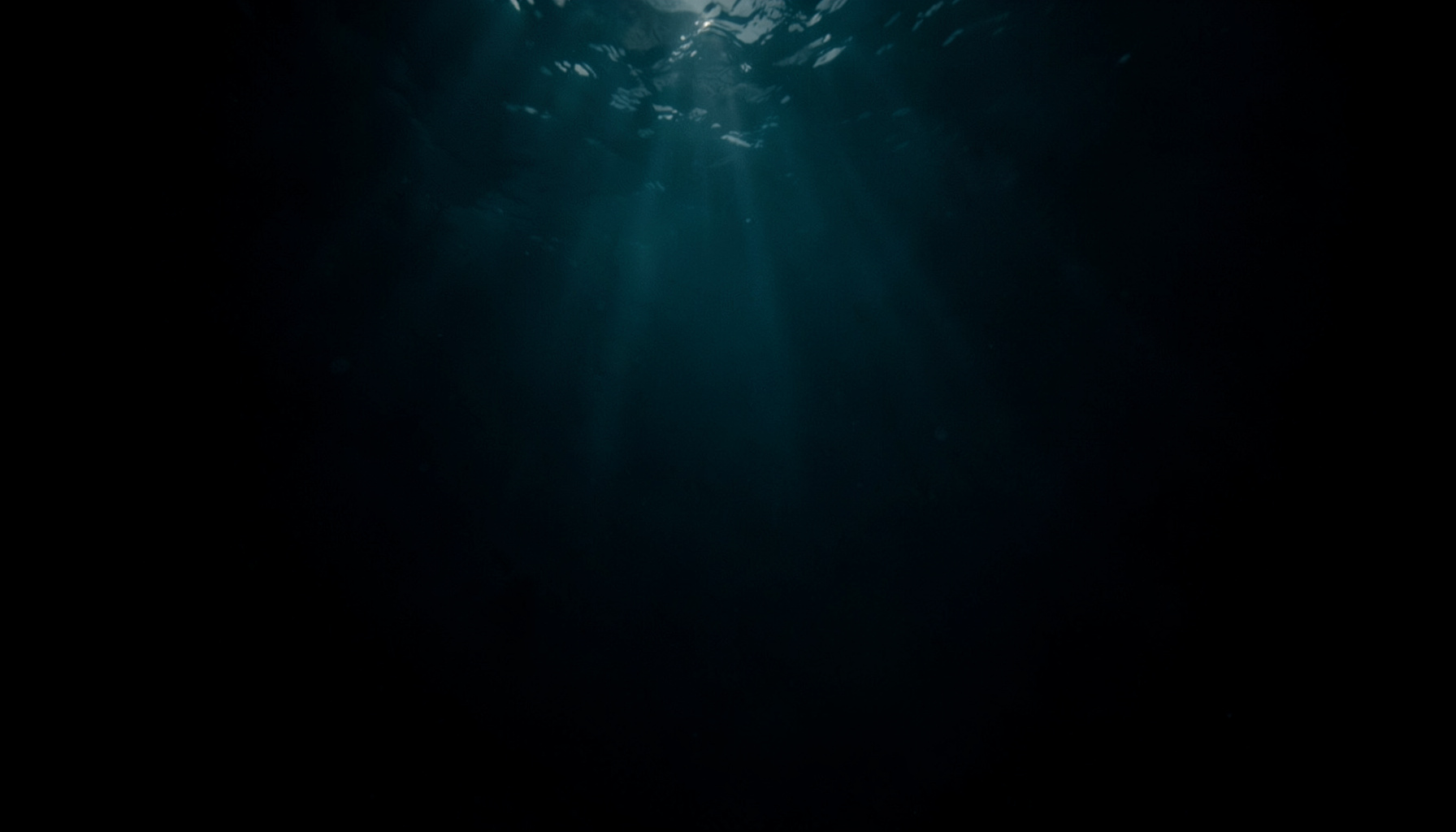
Alexandra Duncan's novel Sound blends deep-space science fiction with the intricate biology of Earth's oceans. In conversations on the Greenwillow blog, she has shared how her fascination with biomimetics — the study of nature's designs and their application to human technology — shaped the book's central ideas.
Duncan's research process for Sound drew on real-world scientific concepts, particularly the ways marine creatures communicate, navigate, and survive in extreme environments. She explored how cetacean acoustics and bioluminescent organisms could inform speculative technology, grounding her fiction in observable natural phenomena.
Her approach to worldbuilding emphasizes immersion through sensory detail and scientific plausibility. Rather than inventing technologies wholesale, she looked to existing biological systems — echolocation, deep-sea pressure adaptation, symbiotic relationships — and asked how they might evolve or be repurposed in a future among the stars.
For readers drawn to stories where science and wonder intertwine, Alexandra Duncan's Sound offers a rare kind of worldbuilding — one rooted in the real mysteries of Earth's oceans rather than purely imagined landscapes. The novel asks what future technologies might look like if humanity turned to nature for answers, studying the clicks of whales, the glow of deep-sea jellyfish, and the chemistry of creatures that thrive where sunlight never reaches. This attention to marine biology gives the book a tangible, grounded feel, even as it reaches toward the stars. Duncan's process reminds us that some of the most compelling speculative fiction begins not with escape from our world, but with a deeper look into it.
The Greenwillow blog has long been a space for celebrating stories that blend observation with imagination, and Duncan's work fits naturally into that tradition. Sound invites readers to consider how the natural systems we overlook in our own backyards — or beneath our own waves — could inspire entirely new ways of thinking about survival, communication, and community. For those who love books that reward curiosity, Duncan's layered approach offers something rare: a tale that satisfies both the desire for adventure and the hunger for understanding. It is the kind of novel that lingers, prompting readers to look at the world around them with fresh eyes.

About Sound
Set in a future where humanity has reached the stars, Sound follows a young protagonist navigating life aboard a deep-space vessel. The novel weaves together themes of isolation, communication across vast distances, and the unexpected kinship between human technology and the natural world.
Duncan has described the book as an exploration of what we carry with us when we leave Earth behind — not just tools and data, but the biological inheritance encoded in our own bodies and in the creatures we study.
On the Research Process
In her blog contributions, Duncan has highlighted several facets of the research that went into Sound:
- Studying bioacoustics — how whales and dolphins use sound to communicate across hundreds of miles of ocean.
- Investigating biomimetic engineering, where scientists replicate natural structures like shark skin or gecko feet for human use.
- Consulting with marine biologists and reading extensively on deep-sea ecosystems to build a believable extraterrestrial ocean environment.
- Drawing parallels between the isolation of space travel and the solitude of deep-ocean exploration.
This commitment to scientific authenticity, paired with a lyrical narrative voice, has made Sound a standout title in Greenwillow's catalog of thoughtful, ambitious young-adult fiction.